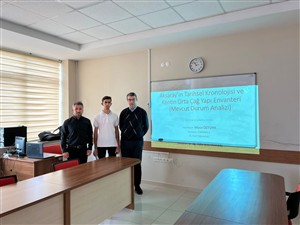
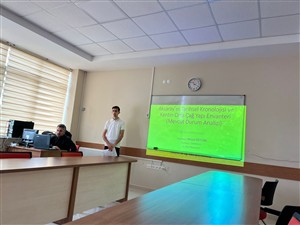
The deep-rooted history of Aksaray, spanning from the Paleolithic Age to the modern Republican era, along with its rich medieval architectural inventory, has been analyzed in a comprehensive study. Conducted through academic guidance and field research, the study reveals that the city's history is not limited to the Neolithic settlement of Aşıklı Höyük; instead, findings around the foothills of Mount Hasan push the earliest traces of human life back 100,000 years to the Paleolithic Period.
The research provides a detailed analysis of Güvercinkayası, an early pioneer of the Chalcolithic hierarchical urban model; Acemhöyük (Purušhattum), the global trade center of the Bronze Age and Hittite era; and Mokissos and the Ihlara Valley, which served as theological and military hubs during the Antiquity and Byzantine periods. Focusing on the Seljuk Period—the pinnacle of the city's architectural and cultural identity as the "second capital"—current condition assessments were conducted for masterpieces such as Sultan Hanı, Ağzıkarahan, Zinciriye Medrese, and the Leaning Minaret (Eğri Minare). The report also covers the demographic shifts during the Ottoman era and the modernization process crowned by the Azm-i Milli Flour Factory, one of the first major industrial leaps of the Republic. This inventory study serves as a crucial resource for preserving Aksaray's unique cultural heritage and developing future tourism routes (combining Güvercinkayası, Saratlı, and Aşıklı Höyük).